Why Houston Pipes Freeze So Easily
Homes in northern climates are built with water lines run deep inside insulated interior walls and buried well below the frost line, because freezing temperatures are a routine part of the winter. Houston homes are built for our climate instead — pipes often run through uninsulated exterior walls, attics, and garages, and outdoor hose bibs and irrigation lines sit fully exposed.
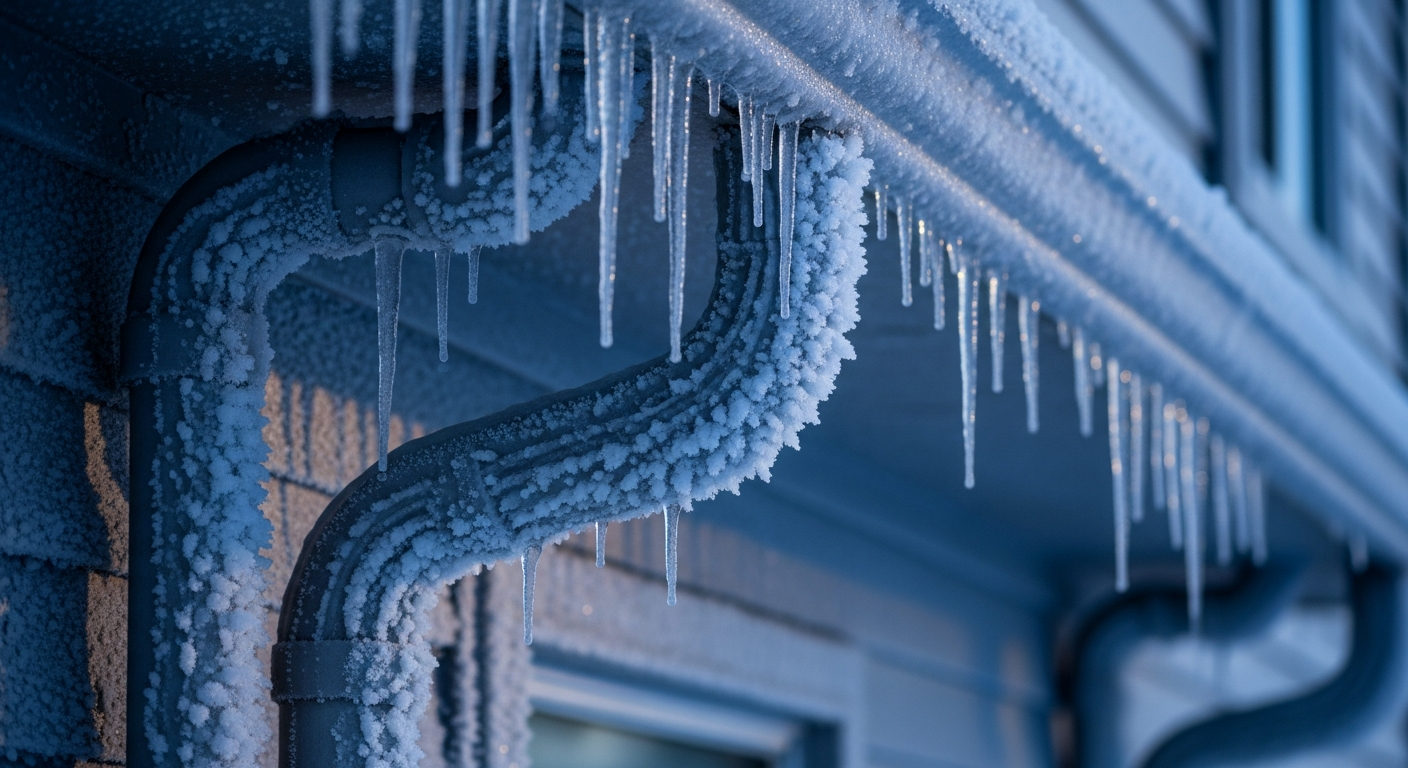
That means it doesn't take an extended deep freeze to cause damage here. A single night at or below freezing, especially with wind, is often enough to freeze exposed lines that would never be a concern in a home built for cold weather. When water freezes inside a pipe, it expands — and that expansion is what cracks copper, PVC, and even PEX lines, whether or not you ever see ice on the outside.
Before a Freeze: How to Protect Your Home
Disconnect and drain all garden hoses, and shut off and drain any exterior irrigation backflow preventer. Wrap exposed outdoor spigots with foam insulation covers, and insulate any pipes you can access in the garage, attic, or crawl space with foam pipe sleeves — inexpensive at any hardware store and effective for the short, hard freezes Houston typically sees.
Open the cabinet doors under sinks located on exterior walls so warm household air can reach the pipes underneath. If temperatures are forecast to drop into the mid-20s or lower, let a pencil-thin stream of water drip from at least one faucet on each affected line — moving water is far less likely to freeze solid than standing water.
If you'll be away during a forecast freeze, don't turn your heat off or set it dramatically lower — keep the thermostat at a minimum of 55°F, and if possible have a neighbor check on the home.
Know Where Your Main Water Shutoff Valve Is — Before You Need It
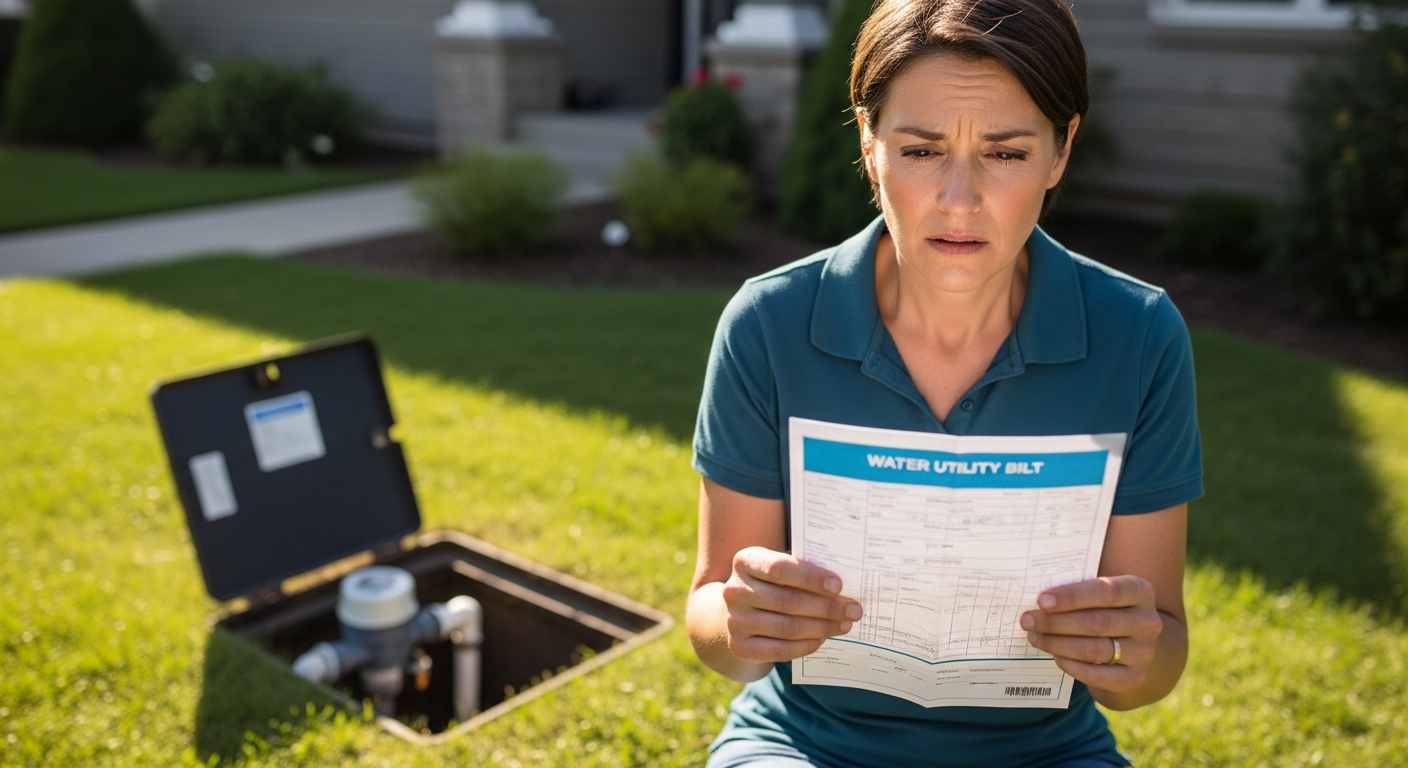
This is the single most important piece of freeze prep, and it's often skipped. Every homeowner should know the exact location of their main water shutoff valve, and confirm it turns freely, before a freeze event — not while water is actively flooding a room. It's typically located where the water line enters the house, near the water meter at the street, or in a garage or utility area. If you've never located or tested yours, do it today, not during the next cold snap.
If a Pipe Bursts: What to Do First
Shut off the main water valve immediately — this is the single most effective thing you can do to limit damage, and it should happen before you call anyone. Next, shut off electricity to any affected area if water is near outlets or fixtures, and move to protect electronics, furniture, and valuables from the immediate area.
Take photos of the damage for insurance purposes once it's safe to do so, then call a licensed plumber. During a citywide freeze event, plumbers across Houston get flooded with calls — literally — so the sooner you call, the sooner you'll get on the schedule. If the burst pipe is causing active flooding and you can't reach a plumber immediately, some homeowners also shut off water at the street-side meter valve as an extra precaution.
After the Freeze: What to Check
Even if nothing burst, a hard freeze is worth a follow-up check. Look for water stains on ceilings or walls near exterior-facing plumbing, check under sinks for slow leaks that may not show up for days, and test outdoor spigots for reduced flow or dripping once temperatures rise, which can indicate a hairline crack that hasn't fully failed yet. Catching a partial freeze crack early is far cheaper than dealing with a full burst months later when it finally gives way.
Lasting Fixes for Freeze-Prone Areas of Your Home
If the same section of pipe freezes every winter storm, that's a sign of a recurring vulnerability worth fixing permanently rather than re-wrapping every year. Options include rerouting exposed lines into conditioned interior space, adding heat tape along persistently exposed runs, or upgrading insulation in the attic or crawl space where the line travels. A licensed plumber can assess your home's specific freeze-prone points and recommend the most cost-effective permanent fix.
Lessons From Recent Houston Winter Storms
Houston has seen multiple significant winter storm events in recent years that knocked out power to large parts of the region for days at a time, and the plumbing damage in each case followed the same pattern: homes lost heat for an extended period, exposed and marginally insulated pipes froze solid, and many didn't fail until temperatures began rising again and the ice inside the pipe expanded further before finally cracking the line.
That delayed-failure pattern is one of the most important and least understood parts of freeze damage. A pipe can freeze on the coldest night of the storm and not actually burst until a day or two later as things thaw, which is why continuing to check for leaks after temperatures rise — not just during the freeze itself — is a critical habit for Houston homeowners.
The other consistent lesson from these events is that plumbers get overwhelmed with calls almost immediately once a hard freeze hits, and demand can stay high for days afterward as delayed failures show up. Homeowners who prepped in advance — insulating pipes, knowing their shutoff valve, keeping a slow drip running — consistently fared better than those who didn't, simply because prevention doesn't require getting a plumber on the phone during the busiest week of the year.
What to Do if You Lose Power During a Freeze
A power outage during a hard freeze raises the stakes, since your home's heating system stops working right when you need it most. If you lose power, keep faucets on affected lines dripping as long as you safely can (this requires working plumbing, which is unaffected by a power outage, though a well pump or some tankless water heaters do need electricity). Close off unused rooms and keep interior doors open so what heat remains in the home reaches vulnerable areas like a laundry room or a bathroom on an exterior wall.
If the outage stretches into a second day and temperatures remain below freezing, consider whether it's safer to relocate temporarily rather than risk a burst pipe with no way to respond quickly. If you do leave, shutting off the main water valve before you go eliminates the risk of a burst pipe flooding an empty house while you're unable to get back to it.
Need a licensed Houston plumber for this exact issue?
Frequently Asked Questions
At what temperature do pipes freeze in Houston?
Exposed pipes in Houston homes can start to freeze once temperatures drop into the high 20s, especially with wind, because most local homes aren't built with the insulation standards used in colder climates.
Should I leave a faucet dripping during a freeze?
Yes, for faucets connected to exposed or vulnerable lines. A slow, pencil-thin drip keeps water moving through the pipe, which makes it much less likely to freeze solid compared to standing water.
How do I know if my pipes are frozen but not yet burst?
Little to no water pressure from one or more fixtures, combined with recent freezing temperatures, is the main sign. Frost may also be visible on exposed sections of pipe. Turn off the fixture and call a plumber rather than trying to thaw it with an open flame.
What do I do first if a pipe bursts in my house?
Shut off your home's main water valve immediately to stop the flow, then call a licensed plumber. Turning off water first, before anything else, is the most effective way to limit damage.
Does homeowners insurance cover burst pipe damage?
Most standard homeowners policies cover sudden and accidental water damage from a burst pipe, though coverage details and deductibles vary by policy. Document the damage with photos and contact your insurer as soon as it's safe to do so.
Can PEX pipes freeze and burst too?
PEX is more flexible and freeze-resistant than rigid copper or PVC, but it can still crack or fail under extreme or repeated freezing, especially at fittings and connections. It reduces risk — it doesn't eliminate it.