Start With the Water Meter Test
Before chasing individual fixtures, confirm you actually have a leak. Turn off every water-using appliance and fixture in the house, then check your water meter's leak indicator — usually a small triangle, star, or dial that spins when water is flowing. If it's moving with everything off, water is leaking somewhere on your property. Note the meter reading, wait an hour without using any water, and check again — any change confirms an active leak.
It's worth doing this test at a time when you're confident nothing automated will kick on mid-test — an irrigation controller firing a scheduled cycle, an ice maker refilling, or a pool auto-fill topping off can all make it look like you have a leak when the meter is simply doing its job. If you can, disable scheduled irrigation and ice-maker fills for the hour you're testing so the result is unambiguous.
1. A Running or Silently Leaking Toilet
This is the single most common source of wasted water in a home, and it's often silent. A worn flapper valve can let water continuously trickle from the tank into the bowl without ever making an audible sound. Test it by adding a few drops of food coloring to the tank and waiting 10 minutes without flushing — if color appears in the bowl, the flapper is leaking. A single running toilet can waste hundreds of gallons a day.
2. An Irrigation System Leak
Underground sprinkler lines are a common and easily missed leak source, since a crack or bad valve often shows up only as a soggy patch of lawn — or nothing visible at all if the water simply drains into the soil. Run each irrigation zone manually and walk the yard checking for pooling, unusually lush patches of grass, or a hissing sound near valve boxes.
3. A Slab Leak Under the Foundation
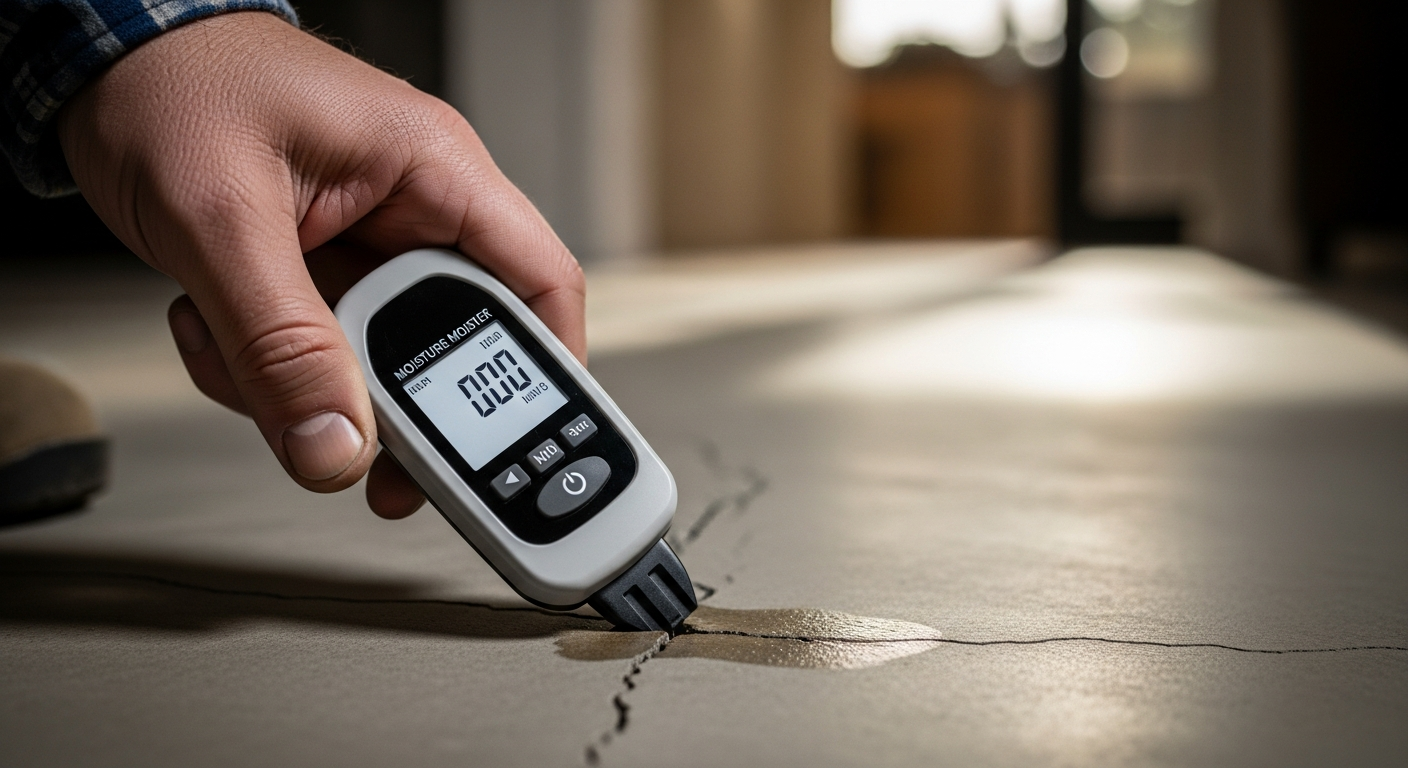
As covered in our guide to slab leak warning signs, a leak under the concrete slab is invisible from above but is one of the most expensive hidden water losses a Houston home can have. If you've ruled out toilets and irrigation and the meter test still shows a leak, this deserves a professional evaluation.
4. Your Water Heater's Pressure Relief Valve
The temperature and pressure (T&P) relief valve on a water heater is designed to release water if pressure builds too high — but a worn or faulty valve can drip continuously into the drain pan or overflow line, wasting water without an obvious puddle in the room. Check the discharge pipe from this valve; steady dripping means the valve needs replacement.
5. An Outdoor Spigot or Hose Bib Connection
A worn washer inside an outdoor faucet, or a cracked hose connection, can leak steadily even when the hose is disconnected and the handle is fully closed. Check every exterior spigot on the property, including ones you rarely use, for dampness at the base or a faint drip.
6. A Pool Auto-Fill Valve Stuck Open
If you have a pool with an automatic water leveler, a stuck float valve can continuously add water to the pool well beyond what evaporation would explain. Compare your pool's water level day over day — if it's staying suspiciously full or the auto-fill line is running more than expected, have the valve inspected.
7. A Water Softener Stuck in Regeneration
A water softener that malfunctions mid-cycle can get stuck in a backwash or regeneration loop, continuously draining water rather than completing its normal, brief cycle. If your softener's drain line seems to be running far more than its scheduled regeneration times, or you hear it cycling at odd hours, have it serviced.
When to Call a Licensed Plumber
If you've checked the obvious sources — toilets, irrigation, outdoor spigots — and the meter test still shows unexplained flow, it's time to bring in a professional. A licensed plumber has electronic leak detection equipment that can pinpoint underground and under-slab leaks without guesswork, saving you from tearing into walls or flooring based on a hunch.
It also makes sense to call sooner rather than later if your household includes anyone away for extended periods, a vacant rental unit, or a second property you don't visit often. Leaks that would otherwise be caught within a day or two in an occupied home can run for weeks unnoticed in a property that isn't checked regularly, turning a minor fix into significant water loss and, in the case of an indoor leak, real property damage by the time anyone notices.
How to Read Your Water Bill Like a Detective
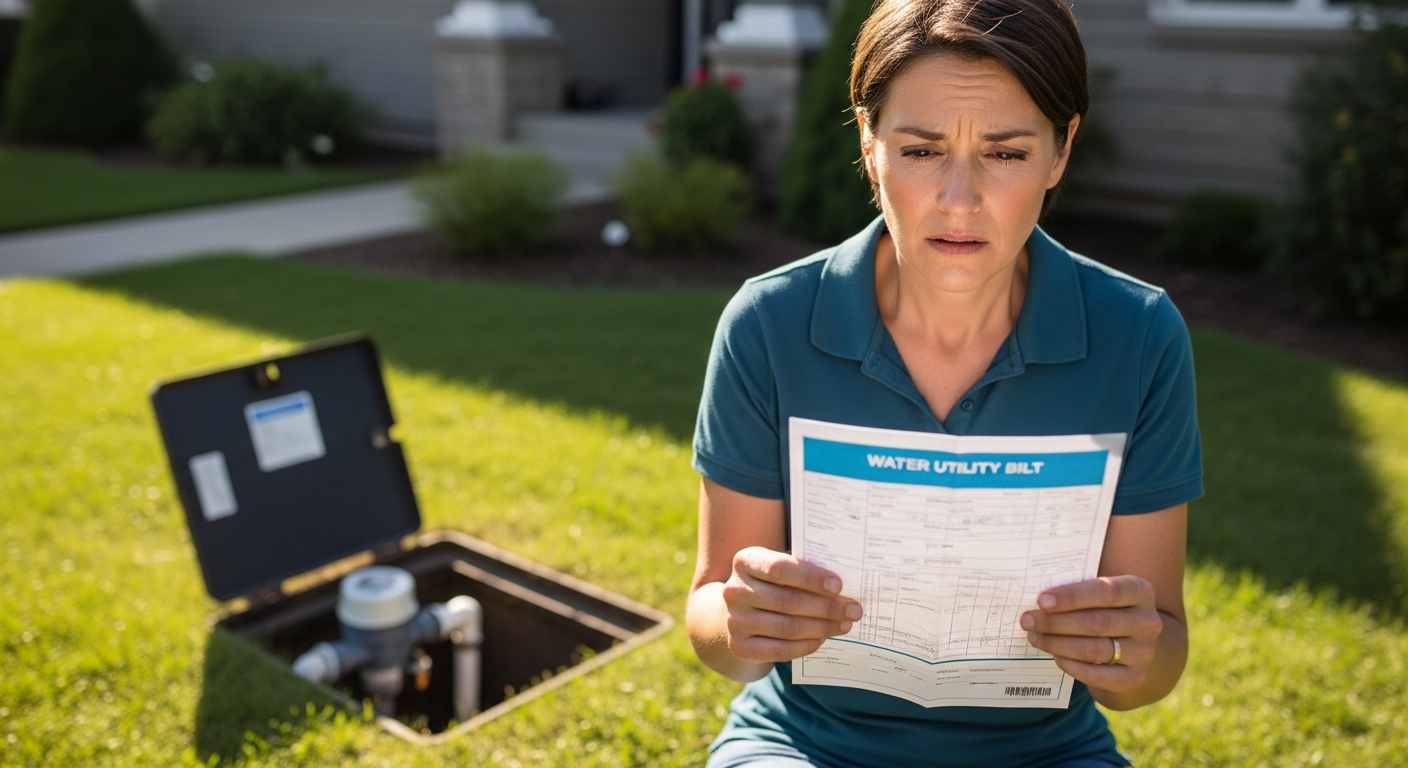
Most Houston-area water utilities show usage history in gallons or cubic feet over several recent billing periods, and that history is one of the most useful tools you have for narrowing down a leak. Pull your last 6-12 months of bills and look for the pattern: a gradual upward creep over several months often points to a slowly worsening leak, like a flapper valve degrading or a slab leak growing, while a sudden jump in a single period is more consistent with something that failed abruptly, like a burst irrigation line or a cracked spigot.
Comparing your usage to the same month last year is also revealing, since it controls for normal seasonal changes like increased irrigation in summer. If this June's bill is dramatically higher than last June's despite no real change in your household or yard care routine, that gap is a strong signal worth investigating rather than dismissing as normal seasonal variation.
Preventing the Next Hidden Leak
Once you've found and fixed the current leak, a few habits make the next one easier to catch early. Do a quick water meter test every few months, even without a bill spike, especially before and after extended vacations when no one's around to notice a running toilet or a burst hose bib in real time. Replace toilet flappers proactively every few years rather than waiting for a failure, since they're an inexpensive part with a limited lifespan.
It's also worth walking your property with a simple checklist twice a year — irrigation heads, outdoor spigots, the water heater's discharge line, and the pool auto-fill if you have one — rather than waiting for a bill to prompt the inspection. Catching a small leak during a routine check is always cheaper than discovering it three months later on a bill.
Need a licensed Houston plumber for this exact issue?
Frequently Asked Questions
How much can a running toilet raise my water bill?
A continuously running toilet can waste 200 gallons or more per day depending on the severity of the leak, which can add a substantial amount to a monthly water bill if left unaddressed.
How do I test my water meter for a leak?
Turn off every water-using fixture and appliance, note your meter reading or watch the leak indicator dial, then check again after an hour without using water. Any movement or change confirms a leak somewhere on the property.
Can a leak be outside my house but still raise my bill?
Yes. Irrigation lines, pool auto-fill systems, and outdoor spigots are all billed through your water meter even though the leak itself is outside the home, and they're among the most commonly overlooked sources.
Why does my water bill spike in summer even without a leak?
Irrigation and pool top-off use both increase significantly in Houston's hot summer months, which can raise bills independent of any leak — but it's still worth ruling out a leak if the increase seems larger than your usage change explains.
Is a dripping outdoor faucet worth fixing?
Yes. Even a slow drip adds up to significant wasted water and cost over a billing cycle, and a worn washer or connection is typically an inexpensive fix compared to the water it wastes if ignored.
What's the fastest way to find a hidden leak?
Start with the water meter test to confirm a leak exists, then check the highest-probability sources first — toilets, irrigation, and outdoor spigots — before calling a plumber for electronic leak detection on anything underground or under the slab.