Why Houston Sewer Lines Fail So Often
Many neighborhoods inside and just outside the Loop, along with older suburbs throughout Greater Houston, still have original clay-tile or cast-iron sewer laterals dating back decades. These materials are naturally prone to cracking, and Houston's mature tree canopy makes things worse — roots seek out the smallest amount of moisture leaking from a joint and grow directly into the pipe, expanding the crack over time.
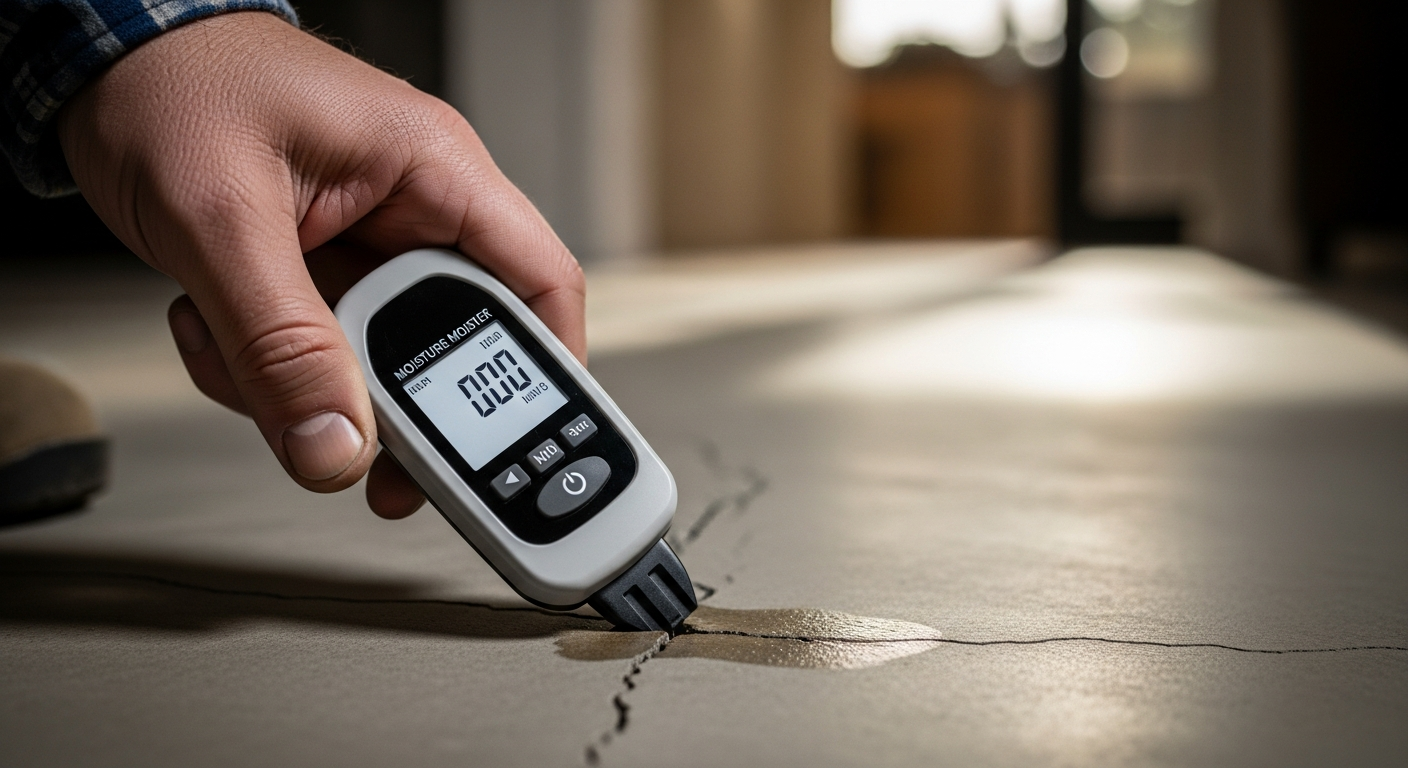
Add in the same expansive clay soil that causes slab leaks, and it's easy to see why sewer line breaks, bellies (low spots where waste collects), and root intrusion are such common calls for Houston-area plumbers.
How a Plumber Diagnoses the Problem First
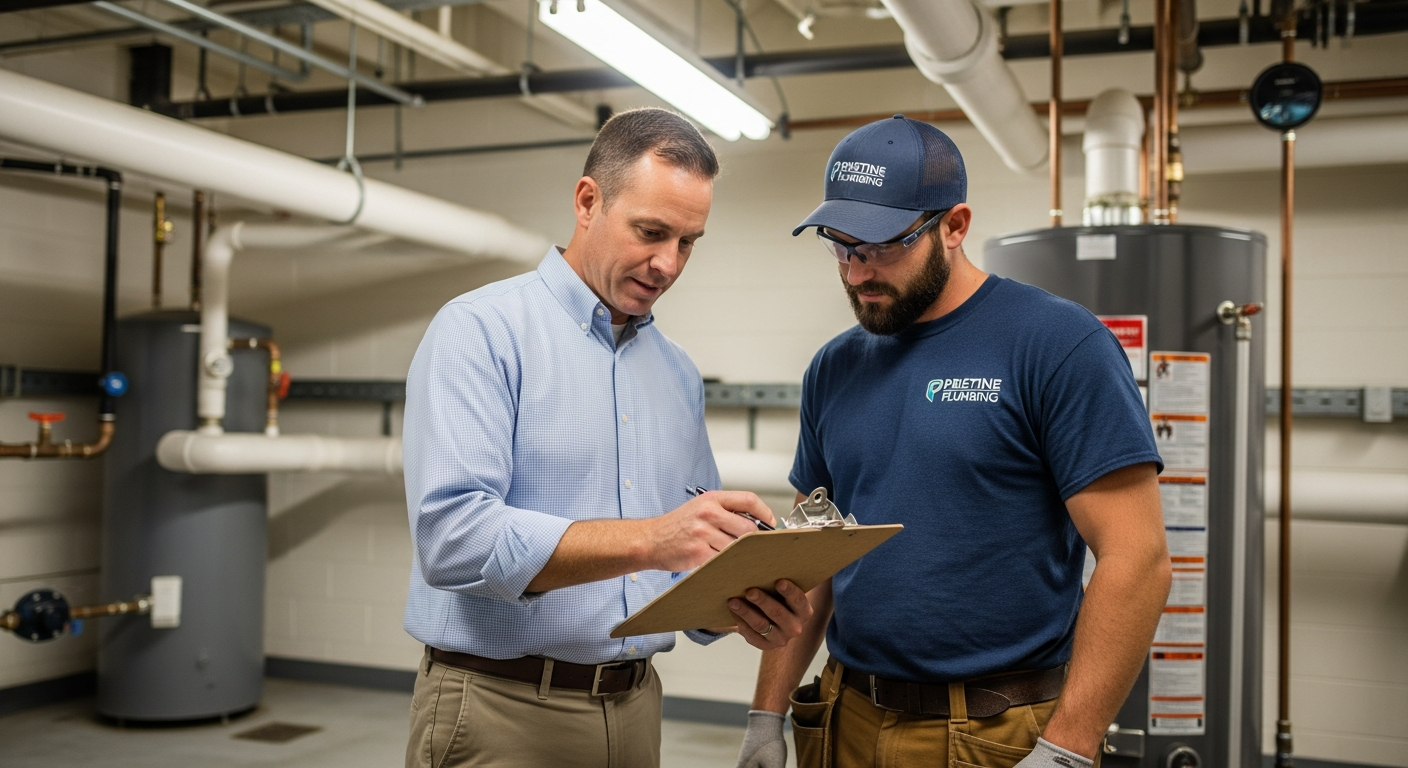
Before recommending any repair method, a plumber runs a sewer camera through the line to see exactly what's happening — a root intrusion, a cracked joint, a fully collapsed section, or a low-spot belly where the pipe has settled. This diagnostic step determines which repair options are actually viable for your specific situation, since not every method works for every type of damage.
What Trenchless Sewer Repair Involves
Trenchless repair covers two main techniques. Cured-in-place pipe (CIPP) lining threads a resin-saturated liner through the existing pipe and cures it in place, creating a new pipe within the old one. Pipe bursting pulls a new pipe through the old line's path while simultaneously fracturing and displacing the damaged pipe outward.
Both methods typically require only one or two small access pits rather than excavating the pipe's full length, which means far less disruption to landscaping, driveways, and hardscaping above the line.
What Traditional Dig-Up Repair Involves
Traditional excavation digs a trench along the pipe's route to expose and directly access the damaged section, either for a spot repair or a full replacement. It's the most universally applicable method — it works regardless of the pipe's condition, material, or the severity of a collapse — but it takes longer, costs more in landscaping and hardscape restoration, and disrupts more of the yard, and sometimes a driveway or sidewalk, in the process.
Cost and Timeline Comparison
Trenchless repair is generally faster to complete — often one to two days for the repair itself — and, despite the specialized equipment involved, is frequently comparable to or less expensive than traditional excavation once you factor in the cost of restoring landscaping, driveways, or a section of sidewalk after a dig-up. Traditional excavation costs vary widely based on the depth of the line, length of trench needed, and what's on the surface above it (grass is cheap to restore; a mature tree root system or a driveway section is not).
Your plumber can give you an accurate side-by-side quote once the camera inspection identifies the exact damage and depth of your line.
When Trenchless Isn't the Right Fit
Trenchless methods work best on lines with root intrusion, cracking, or moderate deterioration along a relatively straight run. They're generally not suitable for a fully collapsed section, a pipe with a significant belly or misalignment that needs correcting, or situations where the line needs to be rerouted entirely — in those cases, traditional excavation is usually the more reliable fix, even though it's more disruptive.
Choosing the Right Method for Your Property
The right answer depends on your camera inspection results, your yard's landscaping and hardscape, and your timeline. If preserving mature trees, a pool deck, or a driveway matters and the damage is a good candidate, trenchless is usually worth the conversation. If the line has failed structurally, direct access and traditional repair may be the more dependable long-term fix. A licensed plumber who offers both methods — rather than only one — can give you an honest comparison based on your specific line's condition.
What to Expect on Repair Day
For a trenchless repair, expect a crew to dig one or two access pits (often at the cleanout and near the connection point at the street), thread the liner or bursting equipment through the existing line, and cure or pull the new pipe into place, typically wrapping up within a day for a straightforward job. Water service to the home is usually interrupted only for the active repair window, not the full day.
A traditional excavation project takes longer and unfolds in stages: locating utilities and marking the dig path, excavating the trench, replacing or repairing the pipe section, having the work inspected before backfilling, and then restoring the surface — grading, sod, or hardscape repair depending on what was disturbed. Multi-day timelines are common, and if a driveway or sidewalk section needs to be cut and repoured, that can add its own curing time on top of the plumbing work itself.
Questions Worth Asking Before You Choose
Before agreeing to either method, ask your plumber to walk you through the camera footage and explain specifically why they're recommending one approach over the other for your line's condition — a good contractor should be able to point to the exact damage on screen, not just state a preference. Ask what warranty applies to the repair method, since trenchless liners and traditional pipe replacements often carry different warranty terms.
It's also worth asking what restoration is included in the quote. A traditional dig-up estimate that doesn't clearly include landscaping or driveway restoration can end up costing significantly more once those costs are added separately, so get that spelled out in writing before work begins.
Preventing the Next Sewer Line Problem
Once a sewer line is repaired, a little ongoing awareness goes a long way toward avoiding a repeat. If root intrusion was the cause, consider whether any large trees near the repaired section could send roots toward the new pipe again over time — a newly lined pipe resists this well, but a traditionally repaired section with old pipe still upstream or downstream can still be vulnerable. Periodic camera inspections every few years, rather than waiting for the next backup, catch new problems while they're still small and trenchless-eligible.
Simple household habits matter too: avoid flushing wipes (even ones labeled flushable), grease, or large amounts of food waste, since these contribute to blockages regardless of your pipe's material or repair history. For homes with a known history of sewer issues, an annual or biannual camera check is a small, worthwhile expense compared to the cost and disruption of another backup or repair.
Need a licensed Houston plumber for this exact issue?
Frequently Asked Questions
Is trenchless sewer repair more expensive than traditional dig-up?
Not necessarily. Trenchless repair often costs less once you include the cost of restoring landscaping, driveways, or hardscape that traditional excavation disturbs, though exact pricing depends on your line's length, depth, and condition.
How long does trenchless sewer repair take?
Most trenchless repairs are completed in one to two days once the camera inspection and access pits are prepared, compared to potentially several days for a traditional excavation and restoration.
Can tree roots grow back into a trenchless-lined pipe?
A properly installed cured-in-place liner creates a smooth, jointless new pipe surface that root intrusion can't easily re-enter, since roots typically enter through cracks and joints that the liner seals over.
Will trenchless repair work on a fully collapsed sewer line?
Usually not. A fully collapsed section typically needs traditional excavation for direct access and replacement, since trenchless methods rely on the existing pipe holding a workable path for the liner or bursting head.
Do I need a permit for sewer line repair in Houston?
Yes, sewer line repair and replacement typically require a permit and inspection from your local municipality. A licensed plumber handles this as part of the project.
How do I know if my sewer line has root intrusion?
Recurring drain backups, gurgling toilets, slow drainage throughout the house, and a sewage odor in the yard are common signs. A camera inspection is the only way to confirm root intrusion and see its exact location and severity.