How Each Type Actually Works
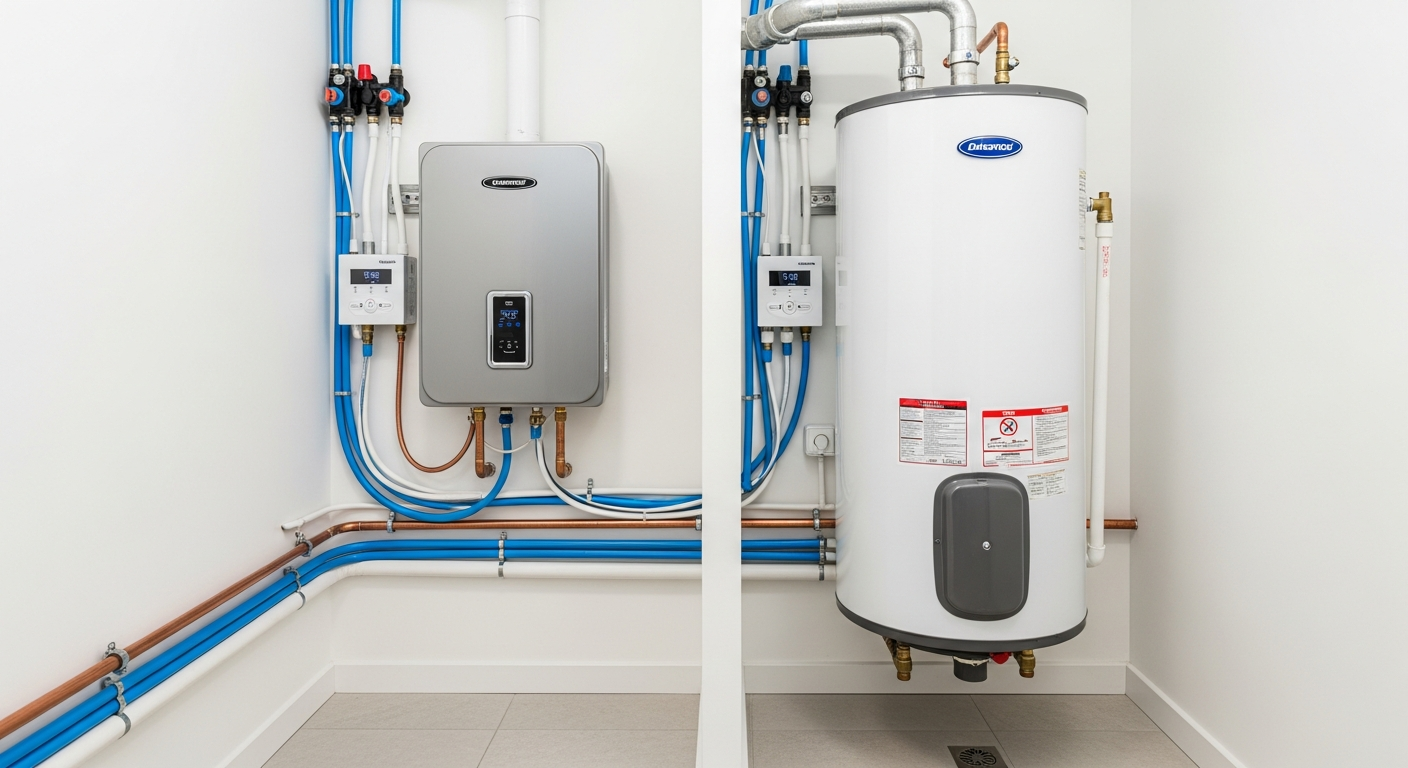
A traditional tank water heater keeps 40 to 80 gallons of water heated and ready in an insulated tank at all times, replacing hot water as you use it. It's simple, proven technology that's been standard in Houston homes for decades — attics and garages across the city are full of them.
A tankless (on-demand) water heater has no storage tank at all. Instead, when you open a hot tap, water flows through a heat exchanger that heats it instantly using a high-output gas burner or electric element. As long as the unit is sized correctly, you get continuous hot water with no limit on how long the shower runs.
Upfront Cost and Installation
A standard 40-50 gallon gas tank water heater typically installs for $1,200 to $2,500 in Houston, including removal of the old unit. Tankless units run $3,000 to $6,000+ installed, and the range is wide because many Houston homes need supporting upgrades: a larger gas line to feed the unit's higher burner output, upgraded venting, and sometimes an electrical circuit for the ignition system.
If you're simply replacing a like-for-like tank water heater, that's usually the cheaper and faster project. If you're doing a larger remodel or building an addition, running new gas and venting for a tankless unit at the same time is more cost-effective than retrofitting later.
Lifespan and Maintenance in Houston's Water
Traditional tanks typically last 8-12 years in Houston, sometimes less if sediment builds up in the bottom of the tank from our moderately hard water and isn't flushed regularly. Tankless units last considerably longer — 15-20 years — but that lifespan depends heavily on descaling the heat exchanger on a regular schedule (typically annually) to prevent mineral scale from restricting flow and shortening the unit's life.
In practice: tank units need less attention but wear out faster; tankless units need more disciplined maintenance but reward it with a much longer service life.
Hot Water Capacity for Your Household
A tank water heater has a fixed hot water supply — run two showers and a dishwasher back-to-back on a busy Houston morning and a 40-gallon tank can run out. A correctly sized tankless unit doesn't run out, because it heats water as it flows rather than drawing down a reserve. For larger households, or homes that regularly run multiple hot-water fixtures at once, this is often the deciding factor.
The tradeoff is that tankless units have a maximum flow rate — running too many fixtures at once can still reduce temperature or pressure if the unit is undersized for the home. A licensed plumber will size the unit to your home's peak simultaneous demand, not just your square footage.
Space and Placement
Tank water heaters need dedicated floor or platform space — commonly a garage, closet, or attic in Houston homes — plus room for a drain pan and, in attic installs, a secondary safety pan given the risk of a leak damaging ceilings below. Tankless units mount on a wall and take up a fraction of the space, which is useful for smaller homes, townhomes, or anyone reclaiming a utility closet.
Which Makes More Sense for Your Home
Choose a traditional tank if: you want the lowest upfront cost, you're doing a straightforward replacement, or your existing gas line and venting already support the current unit.
Choose tankless if: you want endless hot water for a larger household, you're planning to stay in the home long enough to benefit from the longer lifespan, you're already upgrading gas/electric as part of a renovation, or space savings matter for your layout.
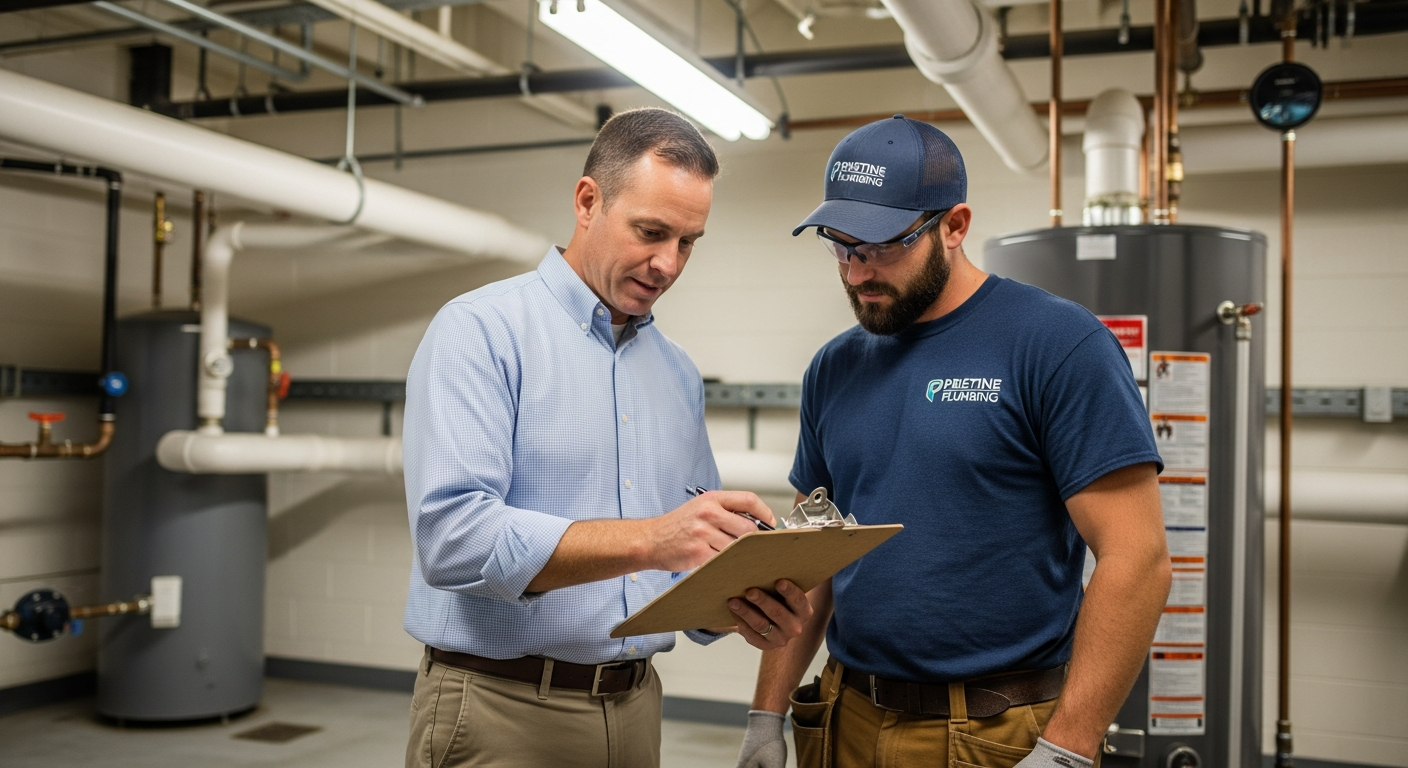
Either way, a licensed Houston plumber should evaluate your home's gas line capacity, venting, and household hot-water demand before you commit — the wrong size unit, tank or tankless, is the most common reason homeowners end up unhappy with either choice.
Energy Efficiency and Long-Term Operating Cost
Beyond the purchase and installation price, the two types differ in how much they cost to run day to day. A traditional tank heater keeps a full reservoir of water hot around the clock, even overnight and during hours when no one's home, which is sometimes called standby heat loss. Tankless units only fire up when a hot tap is opened, so there's no water sitting around losing heat between uses.
In practical terms, that typically translates to 8-14% lower energy use for a tankless unit in an average household, and up to around 25-30% lower for households with lower daily hot water demand, since the efficiency gap widens the less often hot water is actually being drawn. Over a 15-20 year tankless lifespan, that difference can meaningfully offset the higher upfront installation cost, though the exact payback period depends on your household's usage patterns and local utility rates.
Rebates, Incentives, and Financing to Ask About
Many Houston-area utilities and some manufacturers offer rebates for high-efficiency tankless installations, particularly ENERGY STAR-certified units, which can meaningfully close the upfront cost gap with a traditional tank. Ask your plumber which current rebate programs apply before you finalize a quote — availability and amounts change from year to year, and not every installer proactively mentions them.
It's also worth asking whether your plumber offers financing for larger installations, especially if a gas line upgrade or new venting is required alongside a tankless unit. Spreading the incremental cost of a tankless upgrade over a financing term can make the higher-efficiency option pencil out closer to a straightforward tank replacement on a month-to-month basis.
Signs Your Current Water Heater Needs Replacing Now
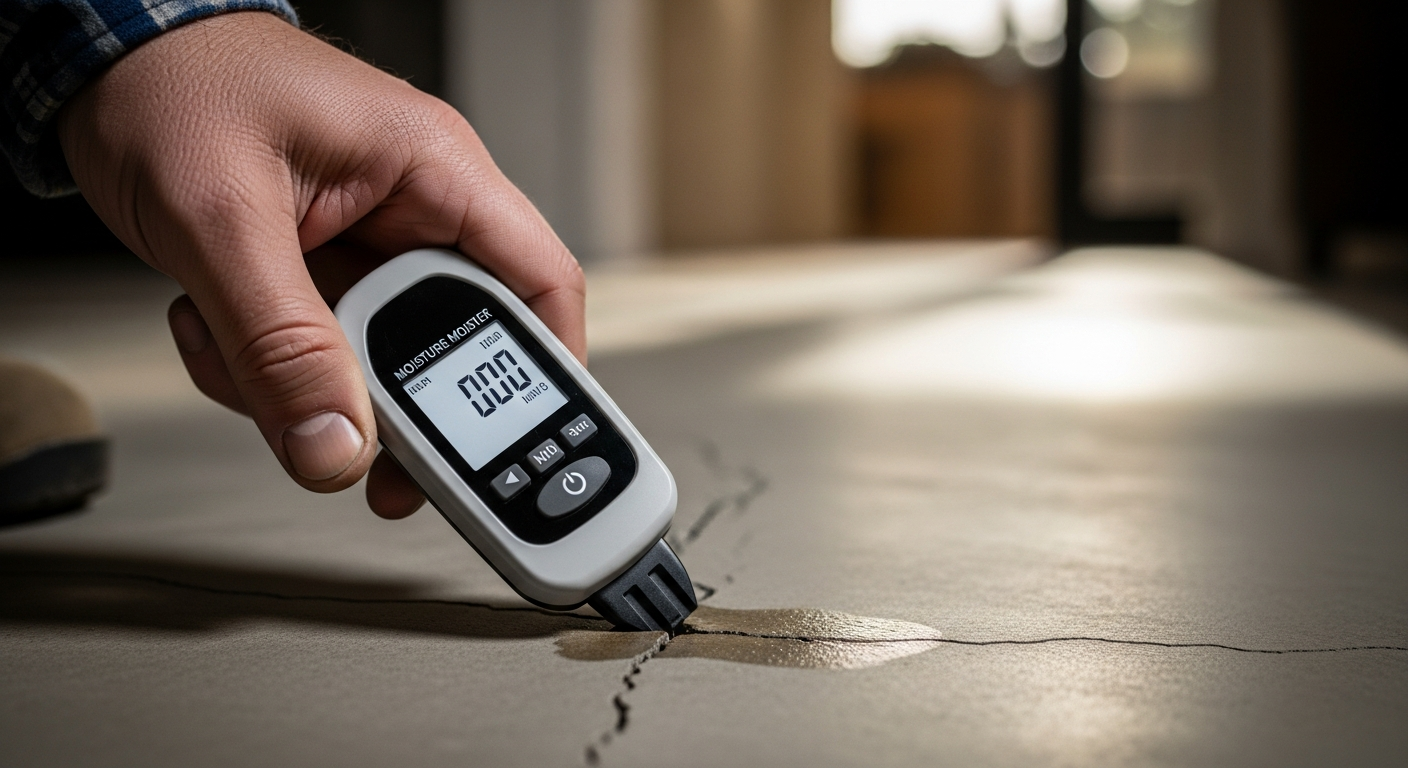
Whichever type you eventually choose, it helps to know when you're actually facing a replacement decision rather than a repair. Rusty or discolored hot water, a persistent popping or rumbling sound from a tank unit (usually sediment buildup hardening on the tank's bottom), a water heater older than its expected lifespan, or any visible moisture pooling at the base of the unit are all signs it's time to plan a replacement rather than wait for a full failure.
Planning ahead matters more than it might seem: a water heater that fails completely, especially a tank unit that ruptures, can flood a garage, attic, or utility closet and cause real water damage on top of the replacement cost. Homeowners who notice early warning signs and schedule a replacement on their own timeline avoid both the emergency service premium and the risk of consequential water damage from a sudden failure.
Need a licensed Houston plumber for this exact issue?
Frequently Asked Questions
Do tankless water heaters really provide endless hot water?
Yes, as long as the unit is sized for your home's peak demand. If you try to run more hot water fixtures simultaneously than the unit is rated for, temperature and flow can drop, so correct sizing during installation matters.
Can I convert my existing gas tank water heater to tankless?
Usually, but it often requires upsizing the gas line and adding new venting, since tankless units have a much higher burner output than most existing tank setups. A plumber can evaluate your home's gas line during a quote.
How often should a tankless water heater be descaled in Houston?
Most manufacturers recommend annual descaling given Houston's moderately hard water, which otherwise builds mineral scale on the heat exchanger and shortens the unit's life and efficiency.
Is a tankless water heater worth it for a smaller household?
It can be, mainly for the space savings and longer lifespan, but the hot-water-capacity advantage matters less for one or two people. The payback period is usually longer for smaller households with lower hot water use.
Do tankless water heaters work during a power outage?
Gas tankless units still need electricity for ignition and control, so most won't operate in an outage without a generator. Electric tankless units obviously require power as well. Traditional gas tank heaters with a standing pilot are the only type that can work without electricity.
What size tank water heater do I need?
As a rule of thumb, a 40-gallon tank suits 1-3 people, 50 gallons suits 3-5, and larger households or homes with soaking tubs typically need 50-80 gallons or a tankless system sized for peak demand.